

Rough Notes: The Era of WNBA Polyamory is Here
Why WNBA rivalries are calling for reinvention.

This is Rough Notes: where women’s basketball changes everything. To get full access to all posts, including my Golden State Valkyries column “Lavender Scare,” upgrade your subscription now.
Last week’s Golden State Valkyries game against the Indiana Fever felt so charged. Maybe it was because Bay Area fans had booed the WNBA’s current “chosen one” from the moment she touched the basketball, overtly rejecting the conservative agenda aura around her (and/or respecting her as an athlete?) Or maybe it was because the Valkyries, bruised from a loss in Indiana just a few days before, took the duel personally - just look at the 25 points and career-high 5 blocks from the matchup’s better point guard, Veronica Burton. Or maybe it was the fact that the game ended with a spellbinding back-and-forth, resulting in victory for the Valks amidst the gauntlet of Ballhalla.
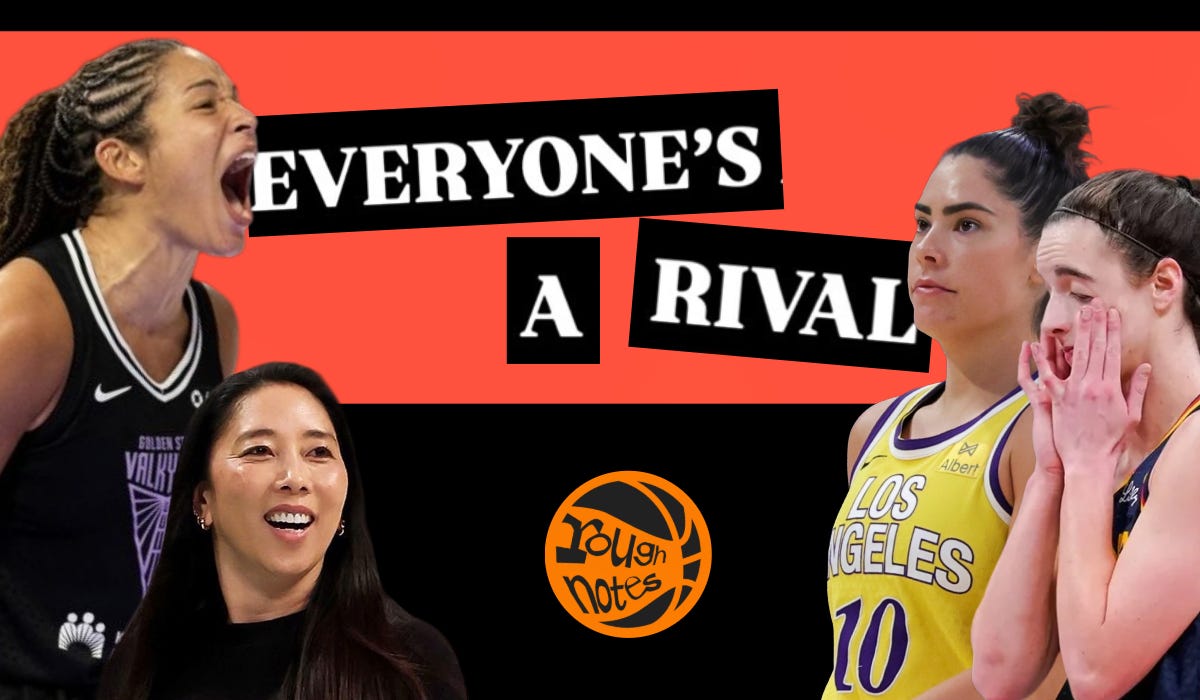
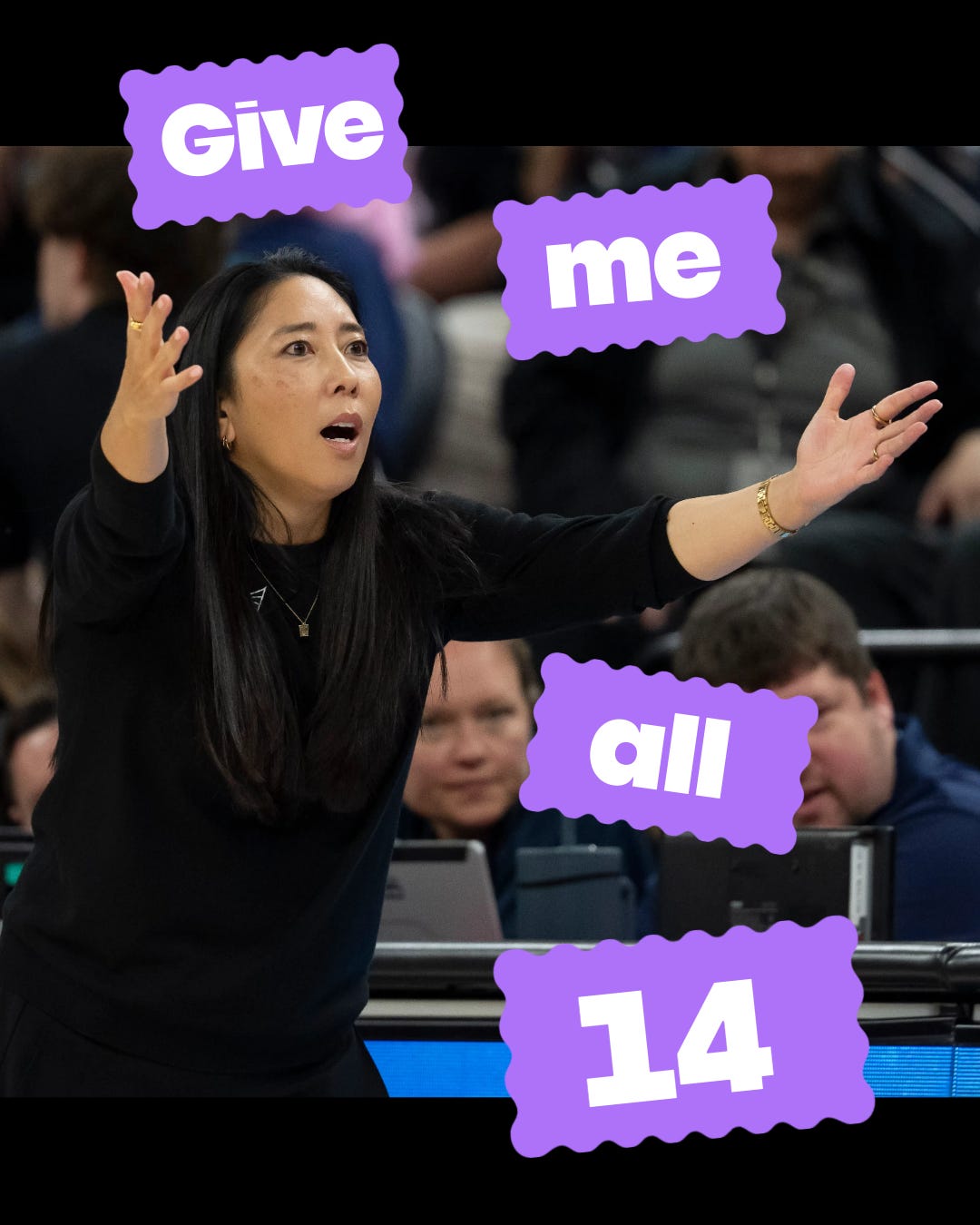
Just minutes after the game, journalist Ashmere Prasad (who is so great) asked Valkyries head coach Natalie Nakase if she considered the matchup a rivalry. It was a perfectly-timed, intuitive question, the kind you can immediately feel will elicit emotion. Without hesitation, Natalie responded: “Everyone’s a rival in my eyes… We want all 14 rivals. Whether it’s Indiana, and now we have Vegas coming up — y’all keep coming, you know?” Then she added, definitively: “Give me 14 rivals.”
Give us all 14! In that moment, Natalie Nakase pricked a hole in mainstream media’s fragile narrative: that games involving Caitlin Clark are the most important of all. But the more I thought about it, the more I wondered: wait, had Natalie Nakase just described the Golden State Valkyries as basically… polyamorous?
Traditional sports narratives love a binary. You pick a side, inherit a grudge, clutch onto the wins and lose sleep over the losses. In this configuration, rivalries rely on just two protagonists, almost like a pair of soulmates - oppositional and static. But the WNBA refuses to work that way.
Before getting any closer to the polyamorous analogy, I gotta pause: no, I am not a multi-time reader of Polysecure, nor do I have a nesting partner or an online dating profile in which I am -married- and -vaxed.- I am a single queer woman who longs for a romantic relationship that makes me feel deeply seen (okay?!) So ~whatever~ you feel about polyamory is totally fine by me. Also, if you’re like, I don’t know any of these words, what is going on, that’s okay too - I’m basically just referencing a relationship model in which a person has multiple romantic connections at one time. Ok, moving on from section TMI.
I think the language of polyamory is useful here, if not just for a very Bay Area provocative jumping off point, but because it rejects the notion that relationship models must be legible to traditional sports fandom. In that sense, WNBA fandom promises no fealty to the masculinist sports culture from which it has so long been excluded. With the rising popularity of women’s sports, and this league in particular, we finally have the space to call our own shots, on our own terms.
Plus, there’s the historical context: women’s basketball has been subject to men’s inconsistent investment - and levels of misogyny - ever since the sport was first professionalized. We’ve inherited the cultural legacy that here, nothing is guaranteed. What becomes more important than one fixed narrative is the chance for reinvention. The sense of possibility.
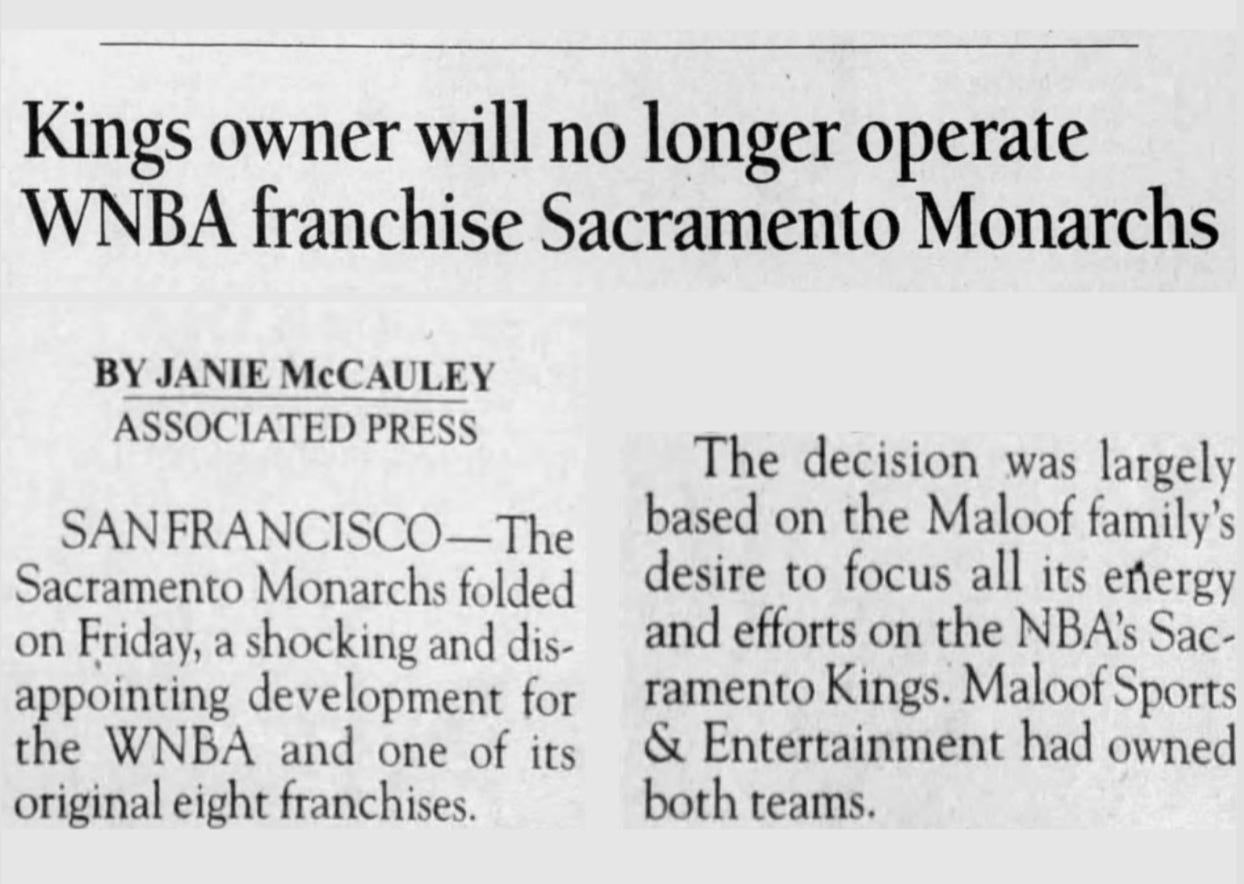
Now in 2026, that potential is everywhere, with 15 teams in the WNBA — more than the league has had since 2002, and perhaps the first time that fans don’t face the possibility of ownership suddenly folding a franchise to double down on the MNBA (even when that WNBA remains the only one in pro basketball to bring a championship to the city of Sacramento, just for example…)
If the NBA is a drawn-out winter of long term relationships, then the WNBA is a summer of hot dates in quick succession. Fewer franchises, a thicker schedule, and just a few chances to determine the power balance between teams before rosters slip-slide sideways again. With expansion teams from the Bay Area to Portland to Toronto, we’ve also got stadiums full of fans who, until the year 2026, did not necessarily give a single shit about pro sports. Last season here in the Bay, fewer than 5% of Valkyries season ticket holders were also season ticket holders for the Warriors.
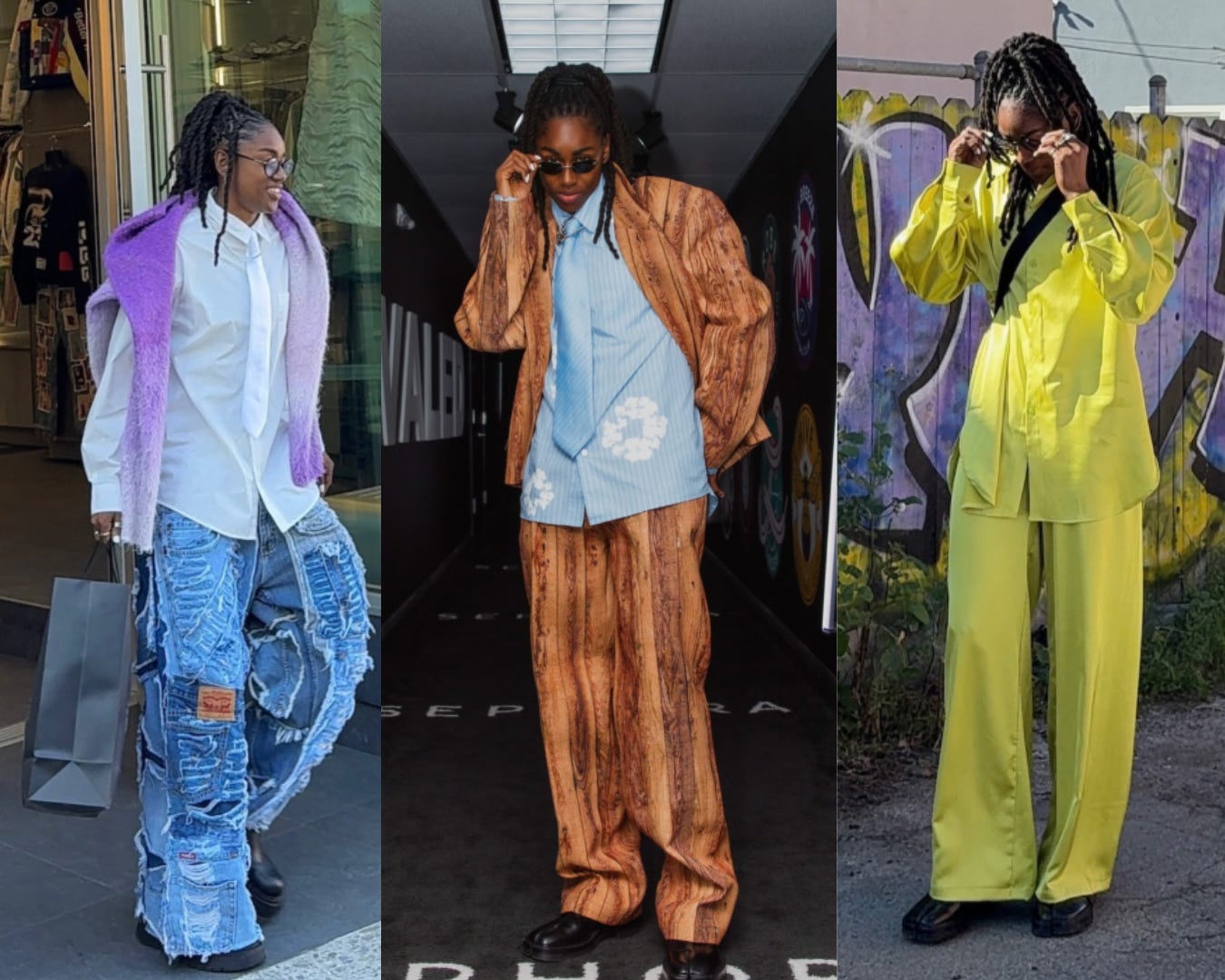
What’s most maddening to me about the space swallowed by Caitlin Clark-adjacent noise is that it obscures true diversity of the WNBA - and this emergent fandom. People have all kinds of reasons for being pulled to their love for the league. Maybe it’s catching wind of a model slash entrepreneur with five million followers who also happens to be one of the most dominant rebounders in the league’s history (Angel Reese, hunny), or following all the cute queer people on the bus wearing violet who happen to be going to same exact place, or feeling something unlocked about gender identity while looking at photos of Tiffany Hayes wearing various pairs of pants.
Personally, while I was hyped before going to the Fever game (as a fan! I touched grass!), I was also wary. Did it mean I’d have to sit next to a Republican? (Turns out probably, though I actually earnestly enjoyed that particular cross-cultural exchange.) Would it feel 22% more transphobic inside Ballhalla? (Yes, and that joke I gotta credit to my friend Ariel Broshar, they are hella funny.)
But going to Chase Center on Sunday for the Valkyries game against the Las Vegas Aces, I was all the way jazzed up. This rivalry is the real deal! I kept telling people. Finally, all season ticket holders were back in their seats (though I hope you made a few bucks from re-selling them at a jacked up price.) Also, with the Valks/Aces, there’s this air of nobility: Natalie Nakase’s new squad like a cleaved-off line of the original family tree, tasked with defeating their ancestral creators. I was so ready for the ultimate…
Okay, fine, the game wasn’t even close; the Valkyries’ less-than-robust front court simply buckled under GOAT A’ja Wilson, and we lost. But look, there’s some epic potential here!
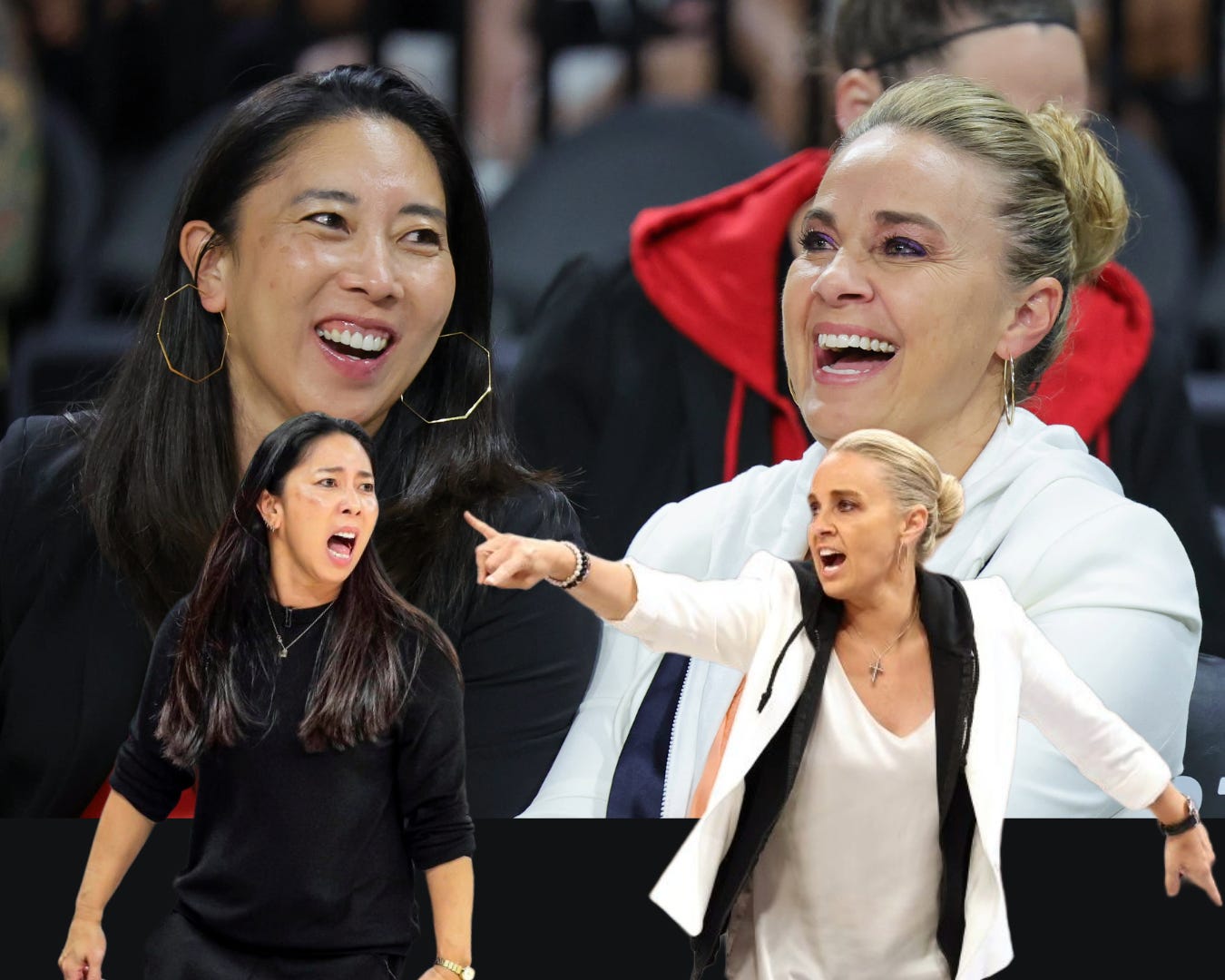
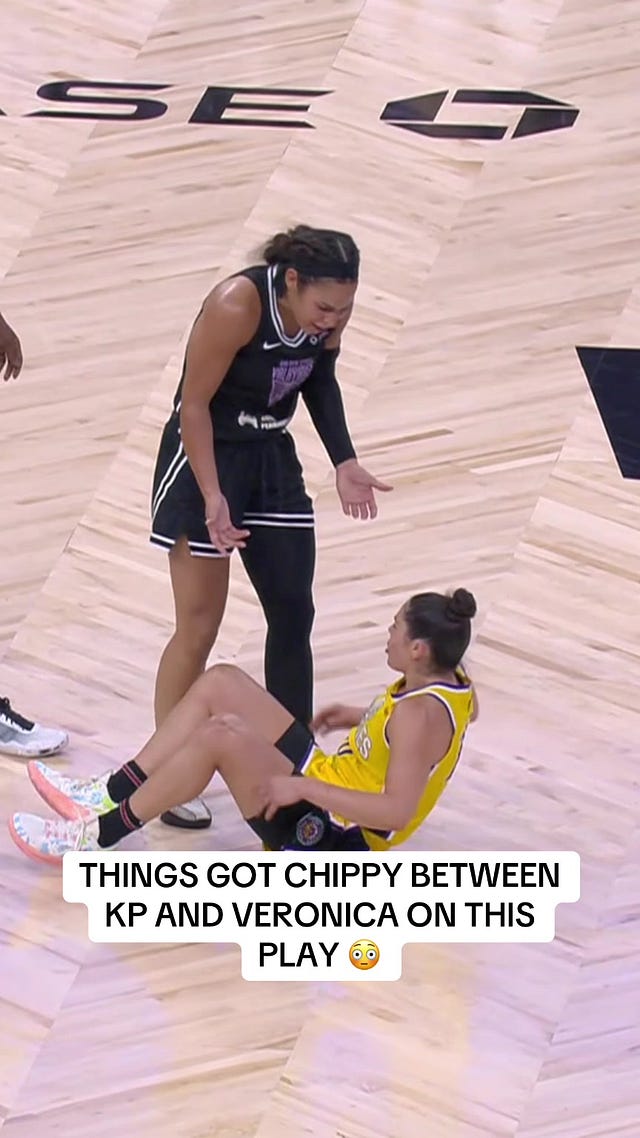
I’ll give you one more example of my style of Valkyries rivalry: I’m internally screaming about the next time Golden State plays the Los Angeles Sparks, cuz that show is run by 37-points-in-our-first-Ballahalla-regular-season-home-game-but-she-ruined-it Kelsey Plum from freaking La Jolla Country Day School. Not only does KP have a prickly-ass relationship with Veronica Burton, but she’s now potentially taken charge of emotionally rehabilitating Kate Martin - our beloved glue kid gone overboard to the choppy seas of Southern California’s even worse freeways. You wanna know what’s gonna happen, L.A.? A DAWG CLASS you’re ‘bout to get kicked out of ‘cause we got wayyy better hiking and a 2026 All-Star point guard, thank you very much:
 Tiktok failed to load.
Enable 3rd party cookies or use another browser
All of this is to say: don’t let the basic headlines pull you into the boring men’s sports version of the “rivalry” trope. Let your appetite for the WNBA evolve on its own. Choose your own adventure. Sure, get heated, if you’d like ;) But most of all, I dare you: think about the most high-stakes, charged matchups in the WNBA, for you. Consider the profound possibilities of each new expansion franchise, now and in the future. What storylines matter most? Then picture Natalie Nakase saying “Give me 14,” consider the polymorphous nature of expansion, and share your answers.‘Cause these days you get more than one.
P.S. there’s new news with Benjy :)

love this framing!! and loved this post
Great story- entertaining, true & well spoken! The historical rivalries in pro bb from the NBA Laker/Celtics to the Chicago/Iowa rivalry in the WBL- supercharged the fans and brought an electric atmosphere to the games. Of course now thats EVERY Valkyrie home game at the Chase Center!!